





See how Defend & Protect engineers Brandon and Kai built skills and confidence through the Young Person’s Foundation, completing three key fire safety qualifications
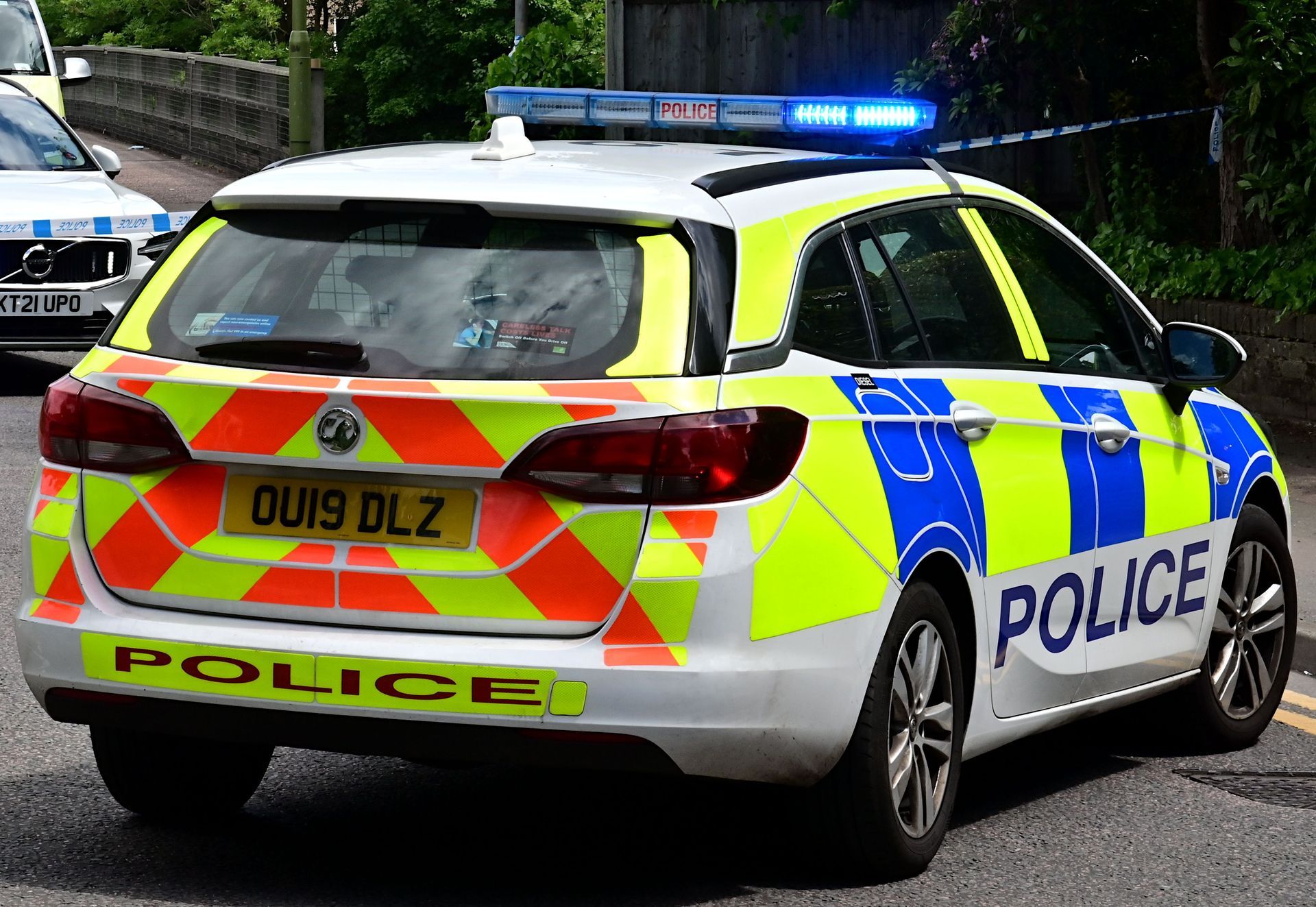
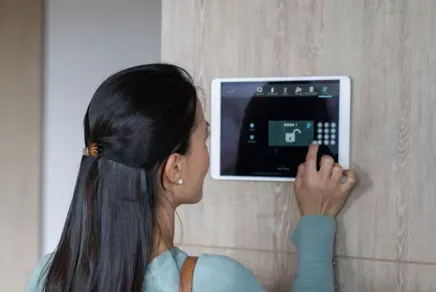
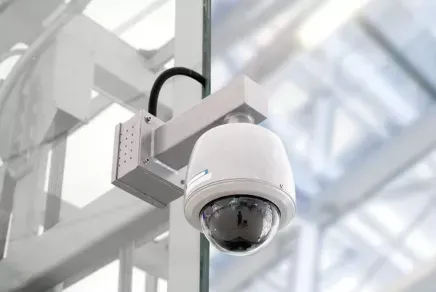
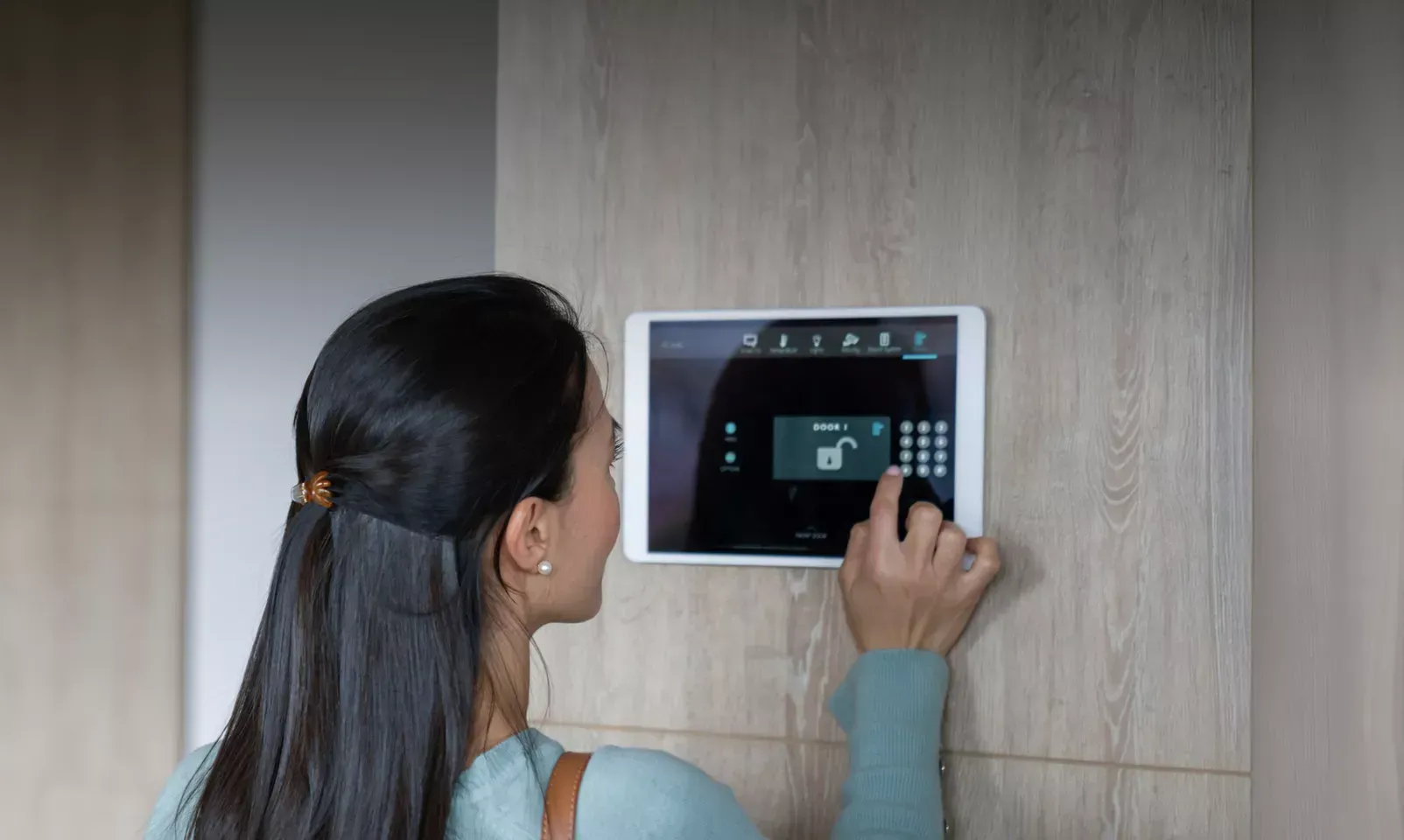
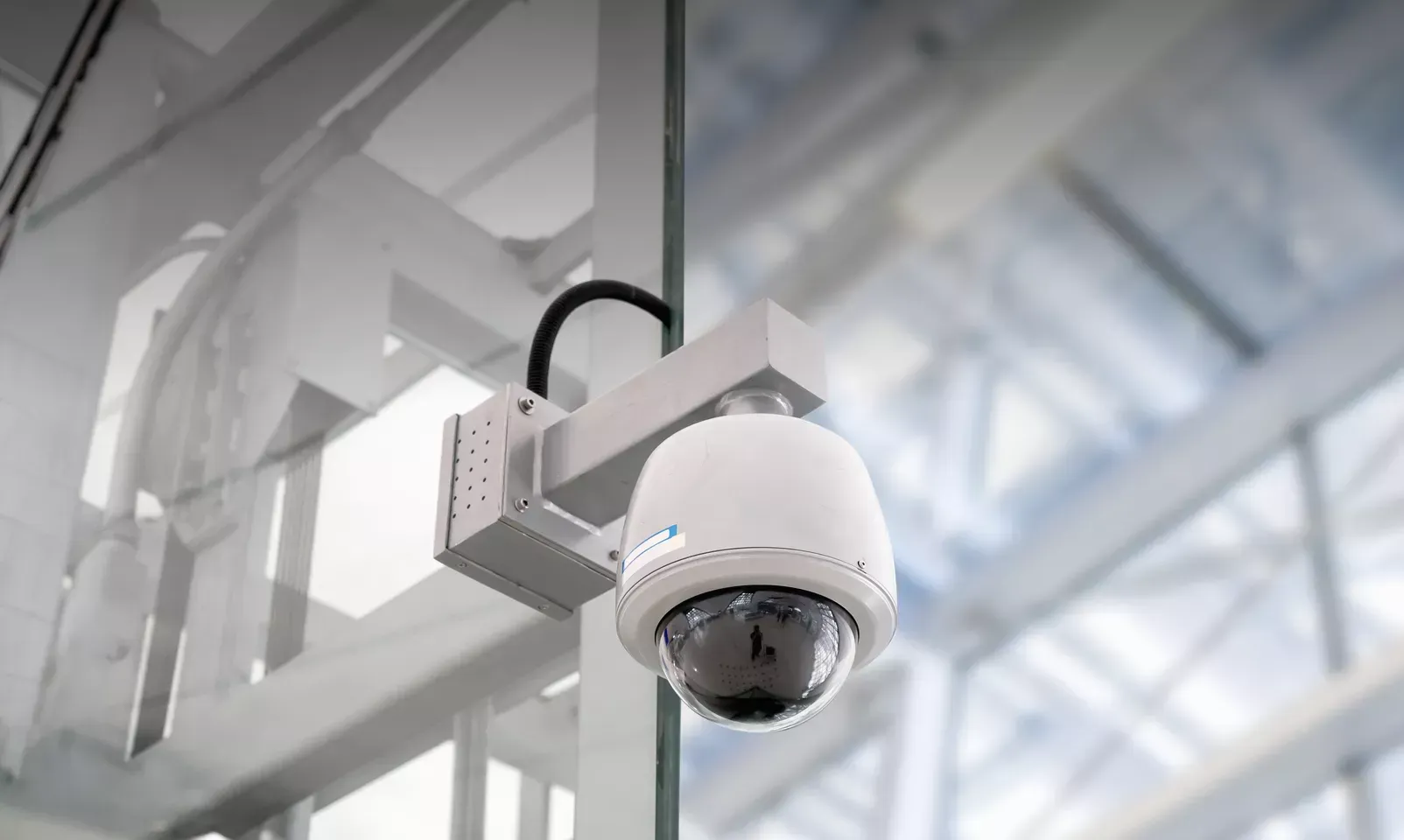
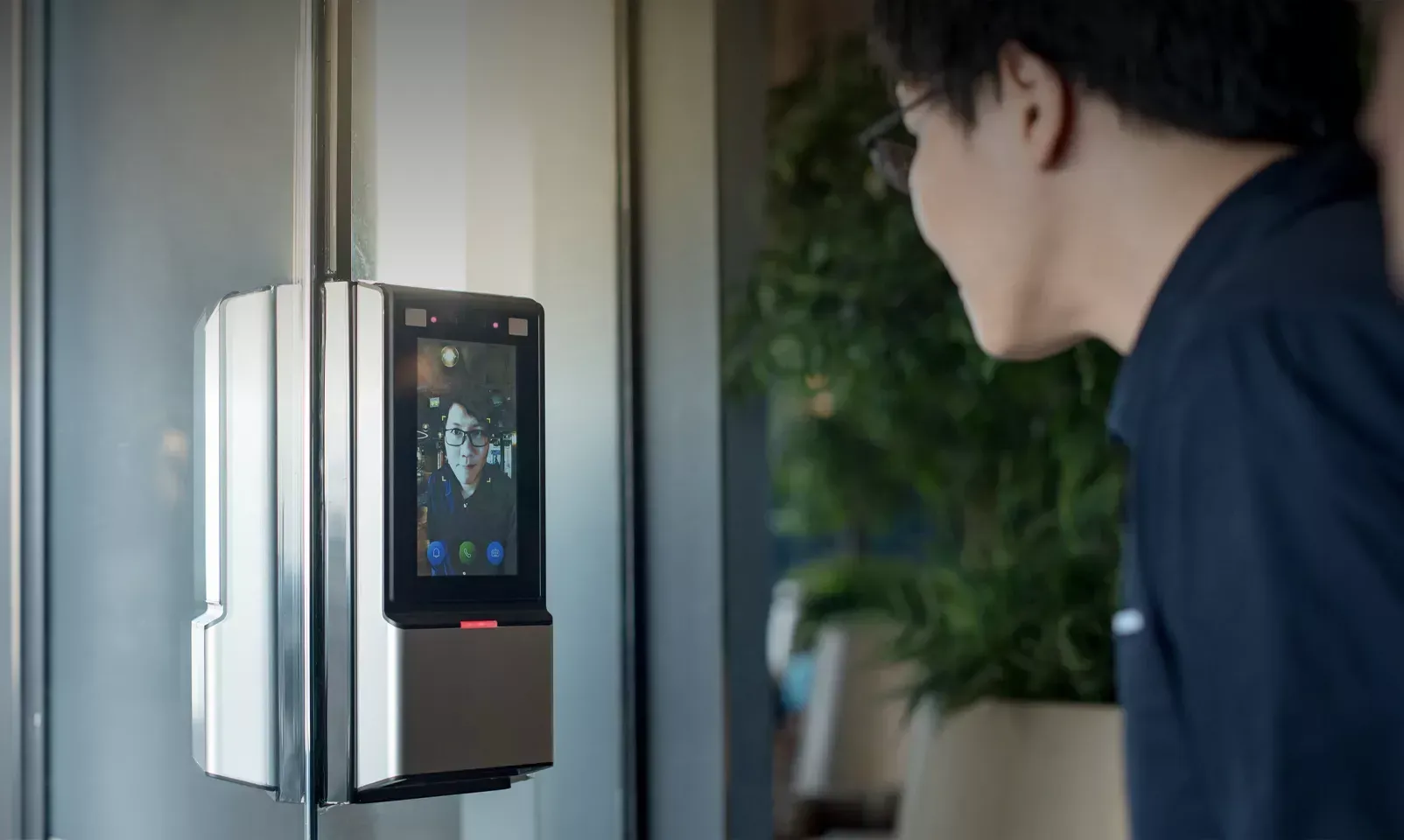
If you live in Cheltenham, burglary statistics are a useful reminder that home security should be taken seriously. While the town remains one of Gloucestershire’s safer major areas, recorded burglary levels still show that homes, flats, and town-centre properties can be targeted. For homeowners searching for Cheltenham burglary statistics, home security Cheltenham, or burglary prevention Gloucestershire, the key point is simple: burglary risk does not disappear just because an area is considered relatively safe. A good home security system can help deter intruders, reduce vulnerability, and give you greater peace of mind. Cheltenham burglary statistics at a glance According to local crime data, Cheltenham’s burglary picture has improved over the longer term. One crime-tracking source reports that residential burglary in Cheltenham fell by 41.4% between 2011 and 2021, dropping from 712 incidents to 417 incidents per year. More recent local reporting also shows that burglary still occurs across the area. In Cheltenham Town Centre, burglary was listed as 5 incidents in April 2025, while the wider local area report shows burglary as a recurring offence rather than a one-off spike What the figures mean for homeowners in Cheltenham Burglary statistics should not be read as fearmongering; they are a planning tool. If a town has recorded burglary incidents every month, the sensible response is to make your property harder to enter, harder to target, and easier to monitor. That is where a professionally installed home security system can make a difference. Visible alarms, door sensors, window contacts, smart cameras, and monitored alerts all add friction for an intruder and increase the chance they move on. Best ways to improve home security in Cheltenham If you want to reduce burglary risk, focus on layered protection: Install a monitored intruder alarm . Use smart door and window sensors. Fit strong locks to doors and windows. Add motion-activated lighting around entrances. Consider CCTV or video doorbells for visibility and evidence. Keep hedges, fences, and side entrances well lit and visible. These measures are especially important for ground-floor flats, terraced homes, and properties with rear access, because burglars often look for the easiest route in. Why a security system matters in Cheltenham A home security system is not just about reacting after a break-in. It is about deterrence, detection, and response. In many cases, the presence of an alarm box, external cameras, or visible sensors is enough to make a property a less attractive target. For Cheltenham homeowners, this can be especially valuable in busier residential streets, mixed-use neighbourhoods, and areas close to town-centre footfall where opportunistic crime can be a factor. Protect your home today If you are looking for a home security company in Cheltenham, now is a smart time to review your current setup. A tailored security system can help protect your property, support your insurance expectations, and reduce the chance of becoming an easy target. For practical burglary prevention in Cheltenham, the best approach is simple: make your home look occupied, well protected, and difficult to enter.
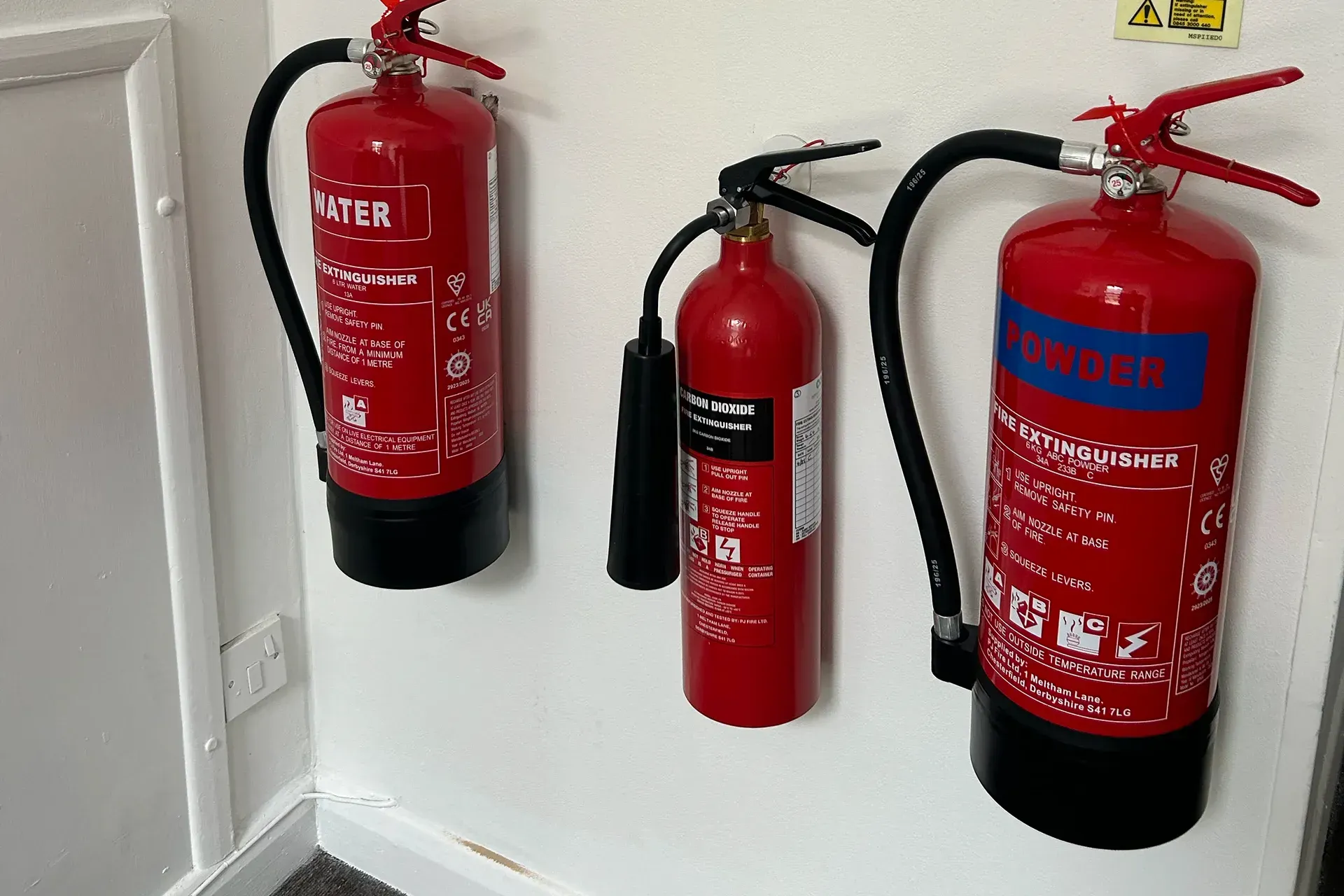
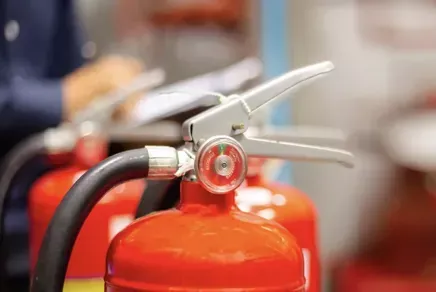
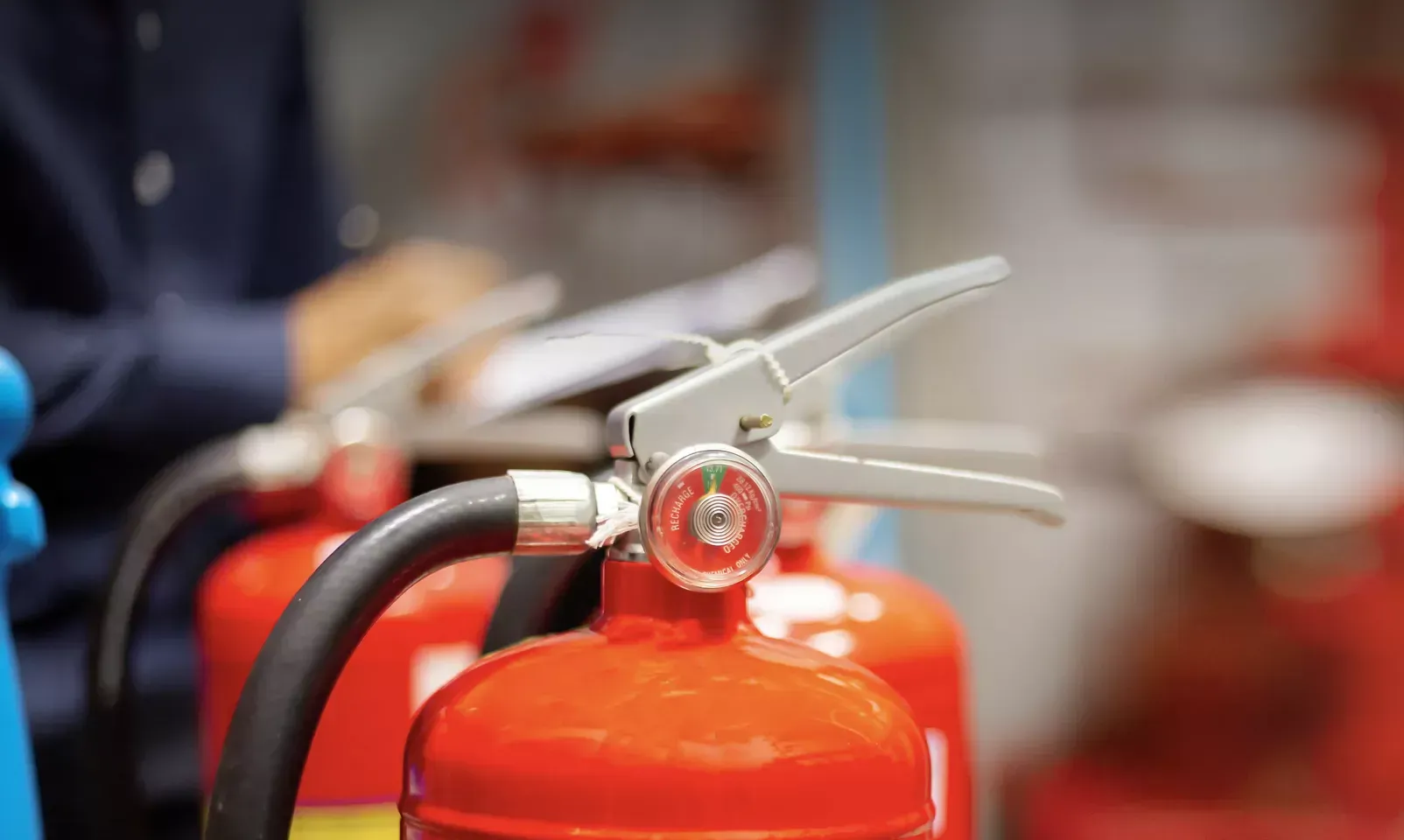
Under the Regulatory Reform (Fire Safety) Order 2005, every business and non-domestic building in England and Wales, including those in Cheltenham and Gloucester, must have a "responsible person" who carries out a fire risk assessment and ensures appropriate fire precautions are in place, such as alarms, extinguishers, fire doors, and clear escape routes. Getting this wrong isn't just a safety risk; it can mean enforcement action, and in serious cases, prosecution. Here's a practical breakdown of what's actually required, and how businesses in the area typically approach compliance. Who is the "responsible person"? In most businesses this is the employer, owner, or the person in control of the premises, often a facilities manager, landlord, or managing director depending on the size and structure of the organisation. This person is legally responsible for ensuring a fire risk assessment is carried out and kept up to date, and that staff know what to do in an emergency. If you're not sure who holds this responsibility in your organisation, that's the first thing to establish, every other compliance step follows from it. What does a fire risk assessment cover? A proper fire risk assessment looks at: Fire hazards on the premises - sources of ignition, flammable materials, and how they're stored or used People at risk - staff, visitors, contractors, and anyone with reduced mobility who may need extra support to evacuate Existing fire precautions - alarms, extinguishers, signage, escape routes, and whether they're adequate for the building Actions needed - anything missing or inadequate, with a plan and timeline to address it Record keeping, planning, and training - particularly important for businesses with five or more employees, where a written record is a legal requirement This should be reviewed regularly and whenever something changes, for example a refit, a change of use, new equipment, or a significant change in staff numbers. Core fire safety equipment for businesses Fire alarms The right type of fire alarm system depends on the size and layout of the building, a single-zone system may suit a small office, while larger or multi-occupancy buildings typically need addressable systems that pinpoint exactly where an alarm has triggered. Alarms should be tested regularly and maintained under a service contract, not just installed and left. Fire extinguishers Different fire types need different extinguishers, water, foam, CO2, powder, or wet chemical, and the right mix depends on what's in the building. Extinguishers need to be correctly located, clearly signed, and serviced annually to remain compliant. Fire doors Certified fire doors slow the spread of fire and smoke, protecting escape routes and giving people more time to leave the building safely. They need to be the right fire rating for their location, properly fitted, and regularly checked to make sure they close and seal correctly, a fire door that's been wedged open or damaged no longer does its job. Emergency lighting and signage If the power fails during a fire, emergency lighting and clear exit signage are what allow people to find their way out safely, particularly in buildings without natural light along escape routes. Common compliance mistakes we see No written fire risk assessment, or one that hasn't been reviewed in years despite changes to the building or its use Fire doors propped open for convenience, defeating their purpose entirely Extinguishers past their service date, or the wrong type for the hazards actually present No fire alarm maintenance contract, meaning faults go unnoticed until a test, or worse, a real fire Staff who've never had a fire evacuation drill, so the plan on paper doesn't translate into practice No Zone Plan near the fire panel What happens if a business isn't compliant? Local fire and rescue services have the power to inspect premises and issue enforcement notices where fire safety standards aren't met. In serious cases, this can extend to prohibition notices preventing use of part or all of a building, or prosecution. Beyond the legal risk, inadequate fire safety puts staff, visitors, and the building itself at genuine risk which is ultimately the more important reason to get it right. Codes of Practice BS5306 - Fire Extinguishers BS5839 - Fire Alarms Get your fire safety in order We work with businesses across Cheltenham, Gloucester, and Gloucestershire to install and maintain compliant fire alarm systems, extinguishers, and certified fire doors, backed by our membership of the British Fire Consortium. Book a fire safety survey or find out more about our fire safety services.
See how Defend & Protect engineers Brandon and Kai built skills and confidence through the Young Person’s Foundation, completing three key fire safety qualifications
If you live in Cheltenham, burglary statistics are a useful reminder that home security should be taken seriously. While the town remains one of Gloucestershire’s safer major areas, recorded burglary levels still show that homes, flats, and town-centre properties can be targeted. For homeowners searching for Cheltenham burglary statistics, home security Cheltenham, or burglary prevention Gloucestershire, the key point is simple: burglary risk does not disappear just because an area is considered relatively safe. A good home security system can help deter intruders, reduce vulnerability, and give you greater peace of mind. Cheltenham burglary statistics at a glance According to local crime data, Cheltenham’s burglary picture has improved over the longer term. One crime-tracking source reports that residential burglary in Cheltenham fell by 41.4% between 2011 and 2021, dropping from 712 incidents to 417 incidents per year. More recent local reporting also shows that burglary still occurs across the area. In Cheltenham Town Centre, burglary was listed as 5 incidents in April 2025, while the wider local area report shows burglary as a recurring offence rather than a one-off spike What the figures mean for homeowners in Cheltenham Burglary statistics should not be read as fearmongering; they are a planning tool. If a town has recorded burglary incidents every month, the sensible response is to make your property harder to enter, harder to target, and easier to monitor. That is where a professionally installed home security system can make a difference. Visible alarms, door sensors, window contacts, smart cameras, and monitored alerts all add friction for an intruder and increase the chance they move on. Best ways to improve home security in Cheltenham If you want to reduce burglary risk, focus on layered protection: Install a monitored intruder alarm . Use smart door and window sensors. Fit strong locks to doors and windows. Add motion-activated lighting around entrances. Consider CCTV or video doorbells for visibility and evidence. Keep hedges, fences, and side entrances well lit and visible. These measures are especially important for ground-floor flats, terraced homes, and properties with rear access, because burglars often look for the easiest route in. Why a security system matters in Cheltenham A home security system is not just about reacting after a break-in. It is about deterrence, detection, and response. In many cases, the presence of an alarm box, external cameras, or visible sensors is enough to make a property a less attractive target. For Cheltenham homeowners, this can be especially valuable in busier residential streets, mixed-use neighbourhoods, and areas close to town-centre footfall where opportunistic crime can be a factor. Protect your home today If you are looking for a home security company in Cheltenham, now is a smart time to review your current setup. A tailored security system can help protect your property, support your insurance expectations, and reduce the chance of becoming an easy target. For practical burglary prevention in Cheltenham, the best approach is simple: make your home look occupied, well protected, and difficult to enter.
See how Defend & Protect engineers Brandon and Kai built skills and confidence through the Young Person’s Foundation, completing three key fire safety qualifications
If you live in Cheltenham, burglary statistics are a useful reminder that home security should be taken seriously. While the town remains one of Gloucestershire’s safer major areas, recorded burglary levels still show that homes, flats, and town-centre properties can be targeted. For homeowners searching for Cheltenham burglary statistics, home security Cheltenham, or burglary prevention Gloucestershire, the key point is simple: burglary risk does not disappear just because an area is considered relatively safe. A good home security system can help deter intruders, reduce vulnerability, and give you greater peace of mind. Cheltenham burglary statistics at a glance According to local crime data, Cheltenham’s burglary picture has improved over the longer term. One crime-tracking source reports that residential burglary in Cheltenham fell by 41.4% between 2011 and 2021, dropping from 712 incidents to 417 incidents per year. More recent local reporting also shows that burglary still occurs across the area. In Cheltenham Town Centre, burglary was listed as 5 incidents in April 2025, while the wider local area report shows burglary as a recurring offence rather than a one-off spike What the figures mean for homeowners in Cheltenham Burglary statistics should not be read as fearmongering; they are a planning tool. If a town has recorded burglary incidents every month, the sensible response is to make your property harder to enter, harder to target, and easier to monitor. That is where a professionally installed home security system can make a difference. Visible alarms, door sensors, window contacts, smart cameras, and monitored alerts all add friction for an intruder and increase the chance they move on. Best ways to improve home security in Cheltenham If you want to reduce burglary risk, focus on layered protection: Install a monitored intruder alarm . Use smart door and window sensors. Fit strong locks to doors and windows. Add motion-activated lighting around entrances. Consider CCTV or video doorbells for visibility and evidence. Keep hedges, fences, and side entrances well lit and visible. These measures are especially important for ground-floor flats, terraced homes, and properties with rear access, because burglars often look for the easiest route in. Why a security system matters in Cheltenham A home security system is not just about reacting after a break-in. It is about deterrence, detection, and response. In many cases, the presence of an alarm box, external cameras, or visible sensors is enough to make a property a less attractive target. For Cheltenham homeowners, this can be especially valuable in busier residential streets, mixed-use neighbourhoods, and areas close to town-centre footfall where opportunistic crime can be a factor. Protect your home today If you are looking for a home security company in Cheltenham, now is a smart time to review your current setup. A tailored security system can help protect your property, support your insurance expectations, and reduce the chance of becoming an easy target. For practical burglary prevention in Cheltenham, the best approach is simple: make your home look occupied, well protected, and difficult to enter.
Under the Regulatory Reform (Fire Safety) Order 2005, every business and non-domestic building in England and Wales, including those in Cheltenham and Gloucester, must have a "responsible person" who carries out a fire risk assessment and ensures appropriate fire precautions are in place, such as alarms, extinguishers, fire doors, and clear escape routes. Getting this wrong isn't just a safety risk; it can mean enforcement action, and in serious cases, prosecution. Here's a practical breakdown of what's actually required, and how businesses in the area typically approach compliance. Who is the "responsible person"? In most businesses this is the employer, owner, or the person in control of the premises, often a facilities manager, landlord, or managing director depending on the size and structure of the organisation. This person is legally responsible for ensuring a fire risk assessment is carried out and kept up to date, and that staff know what to do in an emergency. If you're not sure who holds this responsibility in your organisation, that's the first thing to establish, every other compliance step follows from it. What does a fire risk assessment cover? A proper fire risk assessment looks at: Fire hazards on the premises - sources of ignition, flammable materials, and how they're stored or used People at risk - staff, visitors, contractors, and anyone with reduced mobility who may need extra support to evacuate Existing fire precautions - alarms, extinguishers, signage, escape routes, and whether they're adequate for the building Actions needed - anything missing or inadequate, with a plan and timeline to address it Record keeping, planning, and training - particularly important for businesses with five or more employees, where a written record is a legal requirement This should be reviewed regularly and whenever something changes, for example a refit, a change of use, new equipment, or a significant change in staff numbers. Core fire safety equipment for businesses Fire alarms The right type of fire alarm system depends on the size and layout of the building, a single-zone system may suit a small office, while larger or multi-occupancy buildings typically need addressable systems that pinpoint exactly where an alarm has triggered. Alarms should be tested regularly and maintained under a service contract, not just installed and left. Fire extinguishers Different fire types need different extinguishers, water, foam, CO2, powder, or wet chemical, and the right mix depends on what's in the building. Extinguishers need to be correctly located, clearly signed, and serviced annually to remain compliant. Fire doors Certified fire doors slow the spread of fire and smoke, protecting escape routes and giving people more time to leave the building safely. They need to be the right fire rating for their location, properly fitted, and regularly checked to make sure they close and seal correctly, a fire door that's been wedged open or damaged no longer does its job. Emergency lighting and signage If the power fails during a fire, emergency lighting and clear exit signage are what allow people to find their way out safely, particularly in buildings without natural light along escape routes. Common compliance mistakes we see No written fire risk assessment, or one that hasn't been reviewed in years despite changes to the building or its use Fire doors propped open for convenience, defeating their purpose entirely Extinguishers past their service date, or the wrong type for the hazards actually present No fire alarm maintenance contract, meaning faults go unnoticed until a test, or worse, a real fire Staff who've never had a fire evacuation drill, so the plan on paper doesn't translate into practice No Zone Plan near the fire panel What happens if a business isn't compliant? Local fire and rescue services have the power to inspect premises and issue enforcement notices where fire safety standards aren't met. In serious cases, this can extend to prohibition notices preventing use of part or all of a building, or prosecution. Beyond the legal risk, inadequate fire safety puts staff, visitors, and the building itself at genuine risk which is ultimately the more important reason to get it right. Codes of Practice BS5306 - Fire Extinguishers BS5839 - Fire Alarms Get your fire safety in order We work with businesses across Cheltenham, Gloucester, and Gloucestershire to install and maintain compliant fire alarm systems, extinguishers, and certified fire doors, backed by our membership of the British Fire Consortium. Book a fire safety survey or find out more about our fire safety services.